Norbury, London SW16 4DN
Call 020 8764 1424
| Dr MK Vasant MBE Croydon dentist. Cosmetic dentist in Croydon providing dental implants. Dentists located in Norbury, Croydon, south west London. |
| Links for Accessibility Dentist Croydon: Cosmetic Dentistry in Croydon, Dental Care Croydon Dentist in Croydon: Dentistry in Croydon, Cosmetic Dentist Croydon Dentist Croydon: Dentistry in Croydon, Dr MK Vasant Dentist Croydon: Dental Support Team Croydon Dentist in Croydon: Article on Posterior Dentist Croydon: Article on dental Treatment Dentist Croydon: Dental Treatments Article Dentist in Croydon: Croydon Endodontics Article Dentist Croydon: Dental Article on Meeting Venue Dentist Croydon: Dentistry Article Dentist in Croydon: Dentistry Treatment Article Dentist in Croydon: Dentistry Article in Croydon Dentist Croydon: Dental Article in Croydon Dentist Croydon: Croydon Dentistry Article Dentist Croydon: Private Dentistry Article Dentist in Croydon: Croydon Dental Charity Dentist Croydon: Dental Treatments Croydon Dentist Croydon: Teeth Whitening Croydon Dentist Croydon: Porcelain Veneers Croydon Dentist Croydon: White Fillings in Croydon Dentist Croydon: Gum Contouring & Teeth Reshaping Croydon Dentist Croydon: Broken Teeth Treatment Croydon Dentist Croydon: Dental Crowns Treatments in Croydon Dentist Croydon: Dental Bridges Treatments Croydon Dentist in Croydon: Dental Dentures Croydon Dentist Croydon: CEREC Restorative Dentistry in Croydon Dentist in Croydon: Children Dentistry Croydon Dentist Croydon: Dental Hygiene in Croydon Dentist in Croydon: Bad Breath Treatments in Croydon Dentist Croydon: Gum Disease Treatments in Croydon Dentist in Croydon: Tooth Decay Detection Croydon Dentist Croydon: Mouth Cancer Screening in Croydon Dentist in Croydon: Dental Implants Croydon Dentist in Croydon: Dental Implants Croydon Dentist in Croydon: Dental Implants Croydon Dentist Croydon: Oral Surgery & Tooth Extractions Croydon Endodontics Croydon: Root Canal Treatment Croydon Dentist in Croydon: Botox Treatments Croydon Dentist Croydon: Restylane Facial Rejuvenation Dentist Croydon: Sculptra Facial Rejuvenation Dentist Croydon: Juvederm in Croydon Dentist Croydon: Sedation Dentistry Croydon The Wand Croydon: Cosmetic Dentistry Croydon Dentist Croydon: Cosmetic Dentistry Croydon, Agony Uncle Dentist in Croydon: Dental Smile Gallery Croydon Dentist Testimonials Croydon: Recommended Dentistry in Croydon Dentist in Croydon: Dental Fees Croydon Dentist Croydon: Dentists Appointments in Croydon Cosmetic Dentist in Croydon, Cosmetic Dentistry Croydon Dentist Croydon, Cosmetic Dentistry Croydon: Patient Referrals Dentist Croydon, Dentistry in Croydon: Email Us |
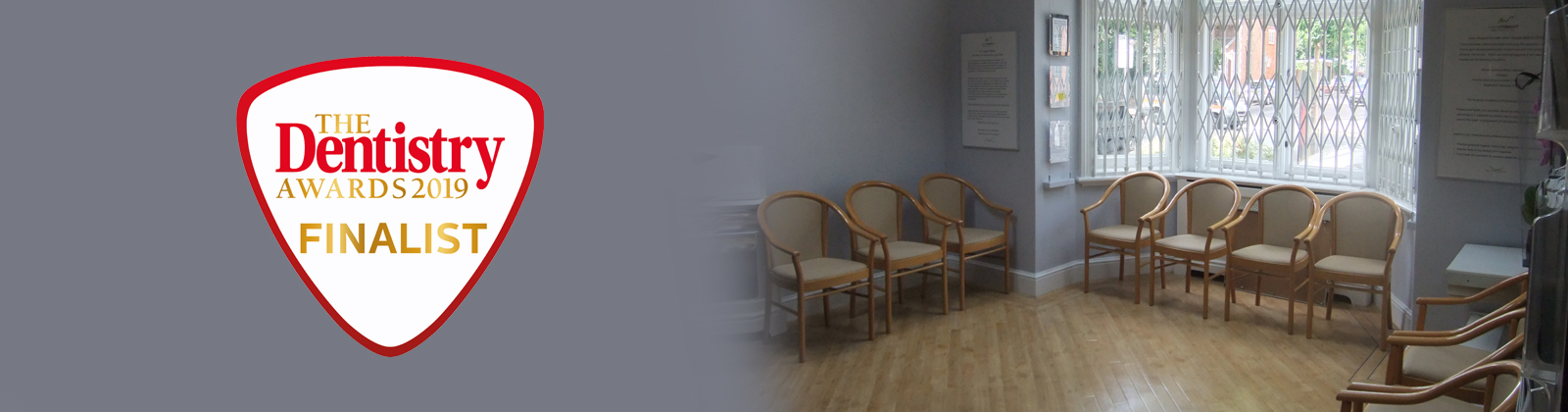
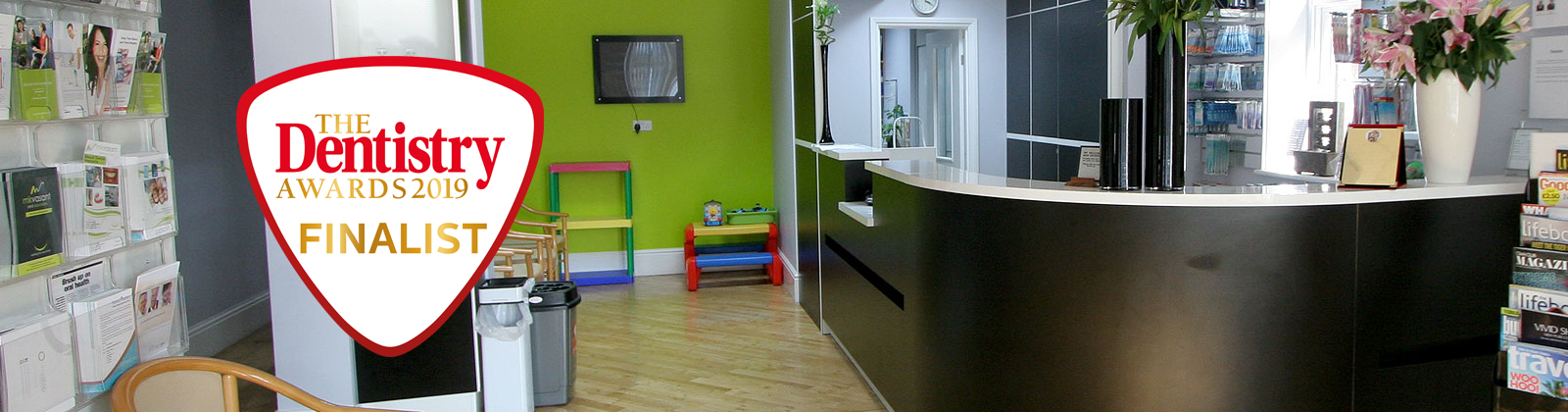
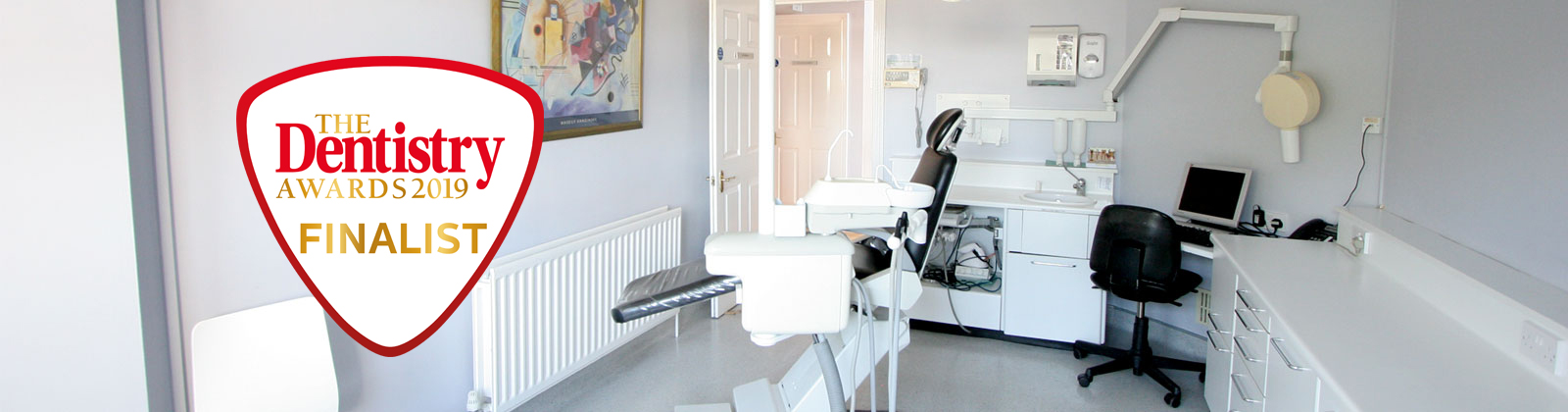
| Dental Practice Description for Accessibility Why Choose Us Welcome to the Dental Centre The centre provides treatment options to include NHS, Denplan, BUPA and Independent (reduced private fee). Please use this web site to learn more about our dental team and treatments. Click here to view photos of our reception, patient lounge and treatment room. We offer general dentistry, cosmetic dentistry (tooth whitening, veneers, white fillings etc), restorative dentistry (crown & bridge, implants etc), treatment of gum disease, oral surgery (wisdom tooth removal etc), preventive dentistry and hygienist care. The centre was relocated to this building from 1301 London Road in March 1999. The practice has been established for several decades and Dr M K Vasant has been the principal since 1979. We adhere to the rules governing the profession under guidance from the General. Mission Statement:
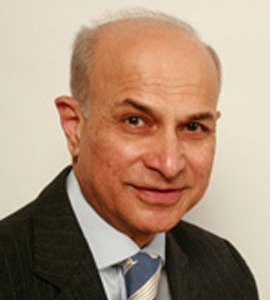
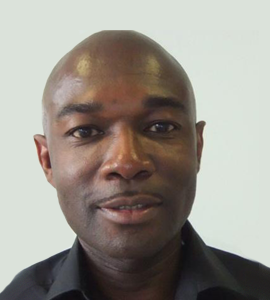
Dr Manjul (Manny) K Vasant MBE MGDS RCS (Eng) MGDS RCS (Edin) FFGDP (UK) FDS RCS (Edin) Specialist in Prosthodontics (Crown and Bridge and Implantology) GDC Registration No. 46852 Dr M K Vasant is the principal of the dental centre, having worked in general dental practice since 1973, and at Mayday University Hospital since 1985. He is a registered Specialist in Prosthodontics (Crown and Bridge, Implant and Dentures) who has given national and international lectures in Restorative Dentistry. He is an Adviser and Course Organiser for Vocational Training (Dentistry) University of London, and is also a Diploma tutor for the South West Division of the FGDP, Royal College of Surgeons of England. More » Awards Received
Dr Jill McLoughlin BDS FDS RCS (Eng) Specialist in Surgical Dentistry GDC Registration No. 65579 Dr Jill McLoughlin is a Specialist in Surgical Dentistry. Jill sees patients for tooth removal, wisdom tooth removal and other oral surgery procedures. She enjoys helping nervous patients to cope with treatment and uses sedation when required. At our practice, Jill is happy to receive referrals from other dentists for oral surgery treatment. She is recognised by the medical insurance company PPP for treatment of their patients for oral surgery procedures. Dr Raj Bolaky BDS MFGDP(UK) RCS GDC Reg No. 67385 "I've been here for over 11 years and I'm interested in cosmetic dentistry!" Dr Ranjan Nath BDS GDC Reg No. 73779 "I started working here over 3 years ago and I'm interested in tooth whitening and cosmetic dentistry!" Dr Farhad Mawani BDS GDC Reg No. 80004 "I trained at the London Hospital and subsequently worked in a practice in London. I recently joined our practice!" Dr Ben Shorten BDS GDC Reg No. 51997 Dr Viraj Chopra BDS MSc GDC Reg No. 82650 Emma McDonald Hygienist Krishna Trivedi Hygienist Anna Receptionist Faye Receptionist Gemma Dental Nurse Haley Dental Nurse Mamta Dental Nurse Laura Dental Nurse If you want general information on a condition or treatment, click here to go to the British Dental Health Foundation's web site where they have over 40 online leaflets. If you have a specific query about the dental centre that is not answered in this section, then please contact us and we will be happy to help. Why do I need to visit the dentist? Cavities may or may not cause discomfort; even though it doesn’t hurt, the tooth is deteriorating. With the help of dental x-rays, the dentist can detect hidden tooth decay. When cavities are small, they are much easier and less expensive to treat. Also, mouth cancer can often be spotted during its early stages by your dentist. What is mouth cancer? It is a malignant growth which can occur in any part of the mouth, including the tongue, lips and throat. Mouth cancers have a higher proportion of deaths per number of cases than breast cancer, cervical cancer or skin melanoma. The mortality rate is just over 50%, despite treatment, with about 1,700 deaths per year in the UK. This is because of late detection. Visit your dentist at once if you notice any abnormal problems or are not sure. Six-monthly dental checkups allow early detection! Who are the dentists? Dr M K Vasant, Dr Raj Bolaky, Dr Shahrzad Radpour, Dr Ranjan Nath and Dr Farhad Mawani. Click here to learn more about our team of dentists, practice manger, nurses and receptionists. What dental plans do you offer? The centre offers treatment options to include NHS, Denplan, BUPA and Independent (reduced private fee). All registered patients continue to be able to remain on their chosen option provided they continue to attend the centre ideally every six months. New patients (or fee-paying adult patients who have lapsed their NHS registrations because they have not attended the practice for 15 months) are welcome to be seen on the Independent basis. Once their mouth has been rendered dentally fit (i.e. tooth decay and gum disease have been treated), they may join any of the above options. Any patient under 21 years of age or exempted from NHS charges (income support or JSA etc) is welcome to register with the centre on the NHS if required. Please note certain treatments are not available on the NHS. NHS or Independent? Broadly speaking NHS provides adequate care to maintain oral health. This does not mean poor nor top quality but merely adequate. There are some aspects of treatment, mostly cosmetic, which are not available under the NHS. Some items of treatment under the NHS are subject to approval. Senior dentists in the practice have closed their NHS lists for fee-paying adults. Patients seeking the best quality treatment with no constraints upon the materials used, time taken, techniques, and laboratories used should look at non-NHS treatment. We are confident that this practice offers top quality modern equipment and materials equal to if not superior to many West-End practices and indeed hospitals. Our independent charges are very reasonable. We will try to work around hours convenient to you. It has been understood that dentistry is a combination of art and science and no two restorations nor mouths are the same. Each restoration presents a different challenge and thus each case will vary in the amount of time taken to carry out properly. What happens on my first visit? This visit is called the Full Case Assessment. Here, the dentist will record your medical history, carry out your full mouth examination (to rule out oral diseases which include cancer), check gum health and examine the teeth in detail. He may also take x-rays of your mouth. This is an ideal opportunity for you to ask any questions about your mouth and appearance of your teeth that may bother you. A written down treatment plan with various options and a cost estimate will then be give to you. What treatments do you provide? We offer general dentistry, cosmetic dentistry (tooth whitening, veneers, white fillings etc), restorative dentistry (crown & bridge, implants etc), treatment of gum disease, oral surgery (wisdom tooth removal etc), preventive dentistry and hygienist care. Can I get specialist treatments? Yes. We provide a range of specialist treatments which can be found under our Restorative, Preventive and Cosmetic sections. How can I get fresh breath? Our programme for fresh breath:
Surveys in the USA have shown that 65% of people have chronic halitosis also known as oral malodur or quite simply bad breath. Figures in the UK are probably no different.
Bridges
The NEW Midi Implant is a stronger implant with a greater surface area than Mini Implants, along with a more substantial post to support fixed crowns. With a built in 'shoulder', they allow better oral hygiene and are suitable for both thinner and wider bone - varying in size from 2.3 - 4.3mm. Stable from day one, they do not require a surgical flap; they can be restored immediately, allowing a permanent crown to be fitted two weeks later. They are also available at a lower cost. How do they work? The placement of the implant is accomplished quickly and easily in a one-step procedure performed at our practice. Under local anaesthesia, or light sedation, employing precise and minimally invasive techniques, the implants are positioned into the jawbone. The head of the implants protrude from the gum and provide a solid foundation for securing crowns, dentures, or a brace. Teeth The new Mini and Midi Implants are the perfect system to provide greater denture stability for those refused regular implants due to a lack of bone, or who simply cannot afford the cost of conventional implants. Once the implants are secured a tailor made crown (the tooth itself) is secured to the implant. It is not necessary for each missing tooth to require an implant and if you have 3+ teeth missing next to each other you could opt for a bridge or partial denture supported by only 2 implants (depending on the individual circumstances). This can be removed and cleaned, and would reduce the volume of surgery that could be required. Dentures The most effective use of this unique dental product is stabilization of a lower denture. There are approximately 120,000 people in the UK who are “edentulous” (literally meaning lacking teeth), struggling daily with prosthetic devices. The majority suffer discomfort as a result of loose or ill-fitting dentures. Some withdraw from any type of social engagement as a result of wearing them. It is also not uncommon for family members to complain about a denture wearer’s disagreeable breath as a result of food being trapped and decaying under their denture prosthesis. Successful placement of the mini implants addresses and solves all of these social and practical problems. The head of the implant is shaped like a ball. The retaining fixture in your denture acts like a socket that contains a rubber O-ring. This snaps over the ball when the denture is seated and holds the denture at a predetermined level of force. When seated the denture gently rests on the gum tissue while the implant fixture allows for micro mobility while withstanding the natural lifting of eating. Conventional Implants Conventional Implants can be provided at the UK Mini Implant Service, meaning we can use the most appropriate treatment customised to suit your needs. The implants are placed in the bone, using a particularly gentle surgical technique. This usually means that the patient experiences little discomfort after the implants are placed. For patients who are a little anxious, this procedure can be carried out under sedation. Following the implant placement procedure, the implants are left undisturbed for a period of 3 to 6 months so that the bone can grow around the implants to form a strong biological bond to them. During this bone 'remodelling' phase, you will have some type of temporary replacement teeth, so that you never have to be without teeth during treatment. Why Does It Take so Long to Complete Treatment? Dental implants preserve bone because they function like tooth roots, firmly embedded in the bone. In order for the implants to become embedded in the bone, the bone must bond to the implants. This process takes anywhere from 1 to 9 months, depending upon the quality of the bone in which the implants are placed. There are other treatment options that do not take as much time to complete; however none of these traditional methods of tooth replacement preserve bone. In fact, dentures and partials actually accelerate the bone resorption process. Treatment Stages for Conventional Implants
The mini implants compare favourably to the conventional implants in many ways. However there are instances when it may be more appropriate to use conventional implants or a combination of both. As a revolutionary departure from routine implant methods, mini implants are so narrow they are typically inserted directly through the overlying gum tissue and into the bone underneath. Consequently the need to surgically cut and “flap” open the gum tissue, routinely required for standard implant systems, is avoided in most mini implant applications. As a result, post-insertion patient irritation and soreness is significantly reduced. While all dental implants require care during insertion to avoid encroaching on vulnerable nerve, sinus or bony structures, the ultra small width of the mini implants offers a much more comfortable margin of safety. Ankylos Dentsply Friadent is a company that has been providing top quality implant products to patients across the world for 30 years. The company attended a research programme in Germany in 1974 in order to develop the skills to create a ceramic implant, including the Ankylos implants. Ankylos implants are known for their top mechanical and predictable stability. Ankylos is the most authoritative system, strong and designed for long-term stability. The Ankylos connection principle, clinically proven for decades, is designed for initial and long-term tissue stability. The extremely accurate TissueCare Connection has virtually no micromovement and is almost totally bacteria-proof. And it is also keyed and friction-locked to prevent bone resorption and to ensure stable and healthy soft tissue. The unique TissueCare Connection transfers the transition between implant and abutment to the interior of the implant and prevents mechanical influences on it and microbial attack on the peri-implant tissue. It provides additional space for the surrounding soft tissue. The keyed principle allows subcrestal placement, and the microstructured implant shoulder makes deposition of bone cells easy - for additional support of the overlying soft tissue. ANKYLOS establishes the best conditions. The progressive thread design makes it easy to screw the implants into position and enhances tissue retention. With the keyed and friction-locked TissueCare Connection Ankylos acts as a single-component implant with all the advantages of the two-component implant: surgery and prosthetics are completely independent of each other. And it also has only one diameter for all prosthetic components: any abutment can be combined with any implant as desired. It requires less storage. It is economical and it gives an optimum prosthetic result. Oral Surgery (Extractions) Wisdom Teeth Sometimes there may not be room in your mouth for your wisdom teeth and, as they start to come through, they push against the teeth already there or may start to come through at an angle. When this happens, you might feel some pain or discomfort, so the best thing to do is to visit your dentist. The dentist will probably take an x-ray of your mouth to see how - or if - your wisdom teeth are coming through. From this, they will be able to make a judgement on whether or not to take them out, and how easy or difficult it might be. Extractions can also be done under sedation. Extractions Having a tooth out is the same as having an operation and, because of this, you must look after the area to speed healing and to reduce the risk of infection. Here are some pointers:
What is root canal treatment? Root canal treatment (also called endodontics) is needed when the blood or nerve supply of the tooth (known as the pulp) is infected through decay or injury. Why is root canal treatment needed? If the pulp becomes infected, the infection may spread through the root canal system of the tooth. This may eventually lead to an abscess. If root canal treatment (RCT) is not carried out, the infection will spread and the tooth may need to be taken out. Does it hurt? No. A local anaesthesia is used and it should feel no different to having an ordinary filling done. What does it involve? The aim of the treatment is to remove all infection from the root canal. The root is then cleaned and filled to prevent any further infection. Root canal treatment is a skilled and time-consuming procedure. Most courses of treatment will involve two or more visits to your dentist. At the first appointment, the infected pulp is removed. Any abscesses, which may be present, can also be drained at this time. The root canal is then cleaned and shaped ready for the filling. A temporary filling is put in and the tooth is left to settle. The tooth is checked at a later visit and when all the infection has cleared, the tooth is permanently filled. What will my tooth look like after treatment? In the past, a root filled tooth would often darken after treatment. However, with modern techniques this does not usually happen. If there is any discolouration, there are several treatments available to restore the natural appearance. What if it happens again? Root canal treatment is usually very successful. However, if the infection comes back the treatment can be repeated. What if I don’t have the treatment? The alternative is to have the tooth out. Once the pulp is destroyed, it can’t heal and it is not recommended to leave an infected tooth in the mouth. Although some people would prefer an extraction, it is usually best to keep as many natural teeth as possible. Will the tooth be safe after treatment? Yes. However, it is better to restore the tooth with a crown to provide extra support and strength to the tooth. Where can this treatment be carried out? Root canal treatment is a routine dental procedure, which your dentist will be happy to do for you. What about aftercare? Root-treated teeth should be treated just the same as any other tooth. Remember to clean your teeth at least once a day, preferably with a fluoride toothpaste. Cut down on sugary snacks, and keep them only to mealtimes if possible. See your dentist for regular check-ups. Botox Botulinum Toxin What is botulinum toxin? Botulinum toxin is a purified bacterial substance that blocks muscle nerve signals. The dentist can safely inject botulinum toxin to weaken facial muscle and diminish unwanted wrinkles and frown lines that appear across the forehead and at the corners of the eyes (crow’s feet). The Botox anti-wrinkle treatment can smooth out age-related wrinkles such as crows feet, frown lines or lines on the forehead. It works in a different way than the injected gels and the effects last between 3 – 5 months. What is BOTOX®? BOTOX® Cosmetic is a simple, non-surgical, physician-administered treatment that can temporarily smooth moderate to severe frown lines between the brows in people from 18 to 65 years of age. It is the only treatment of its type approved by the Food and Drug Administration (FDA). One 10-minute treatment, a few tiny injections and within days there's a noticeable improvement in those persistent lines between the brows, which can last up to 4 months. Results may vary. BOTOX® Cosmetic is a purified protein produced by the Clostridium botulinum bacterium, which reduces the activity of the muscles that cause those frown lines between the brows to form over time. A million people have been treated with BOTOX® Cosmetic since FDA approval in 2002. Not just models and movie stars, but people from all types of professions. BOTOX® Cosmetic can smooth moderate to severe frown lines between your brows for up to 4 months. Restylane Restylane is a crystal clear gel form of hyaluronic acid, a substance that occurs naturally in the body. Hyaluronic acid holds water, hydrating and giving volume to the skin. Sculptra Putting back what time takes out, naturally Sculptra™ is a long-lasting, clinical-proven treatment than can smooth deep lines and wrinkles and restore facial volume lost to the body's natural ageing process. The improvement is gradual, long-lasting and gives you an entirely natural-looking fuller face. Sculptra™ is an injectable volumising treatment that stimulates the build up of the body’s own collagen to smooth out lines and wrinkles and restore lost facial volume to give you a fuller, younger-looking face. The natural non-surgical cosmetic treatment is performed by specially trained medical professionals, and you have the confidence of knowing that Sculptra™ is only available from sanofi-aventis, one of the world's leading pharmaceutical companies. Juvederm What is Juvederm? Juvederm is a gel that is injected into the skin using a very fine needle. It is like the body’s own natural substances and is therefore totally safe. It is comparable with hyaluronic acid, which occurs naturally in the body. This hyaluronic acid is used to plump up the lips or to raise the skin. It can also be used to fill in areas that are wrinkly. For what purposes it should be taken? It can be taken to enhance lips, deep folds on face, lines on face, correction of wrinkles, volume augmentation of your lips, fixing your smile lines - correcting thin superficial lines near your eyes, forehead, and mouth, filling of your nasal furrows and oral commissures. It also irons out superficial wrinkles, creates volume on cheeks, and brings back youthful looks. What are the benefits? Following are three major benefits for this treatment:
The youthful appearance of your lips and the curves of your face will be restored in a completely natural way. Through simple injections, the slight imperfections on your face will be evened out. Are there any variations of Juvederm for different purposes? There are three different formulas used for Juvederm.
It purely depends upon your skin type. However, the effects of Juvederm will last for around six to nine months. Also, the area of surgery affects the results. Sedation Is there anything that can help me with my fear of the dentist? Yes. Some people are so frightened of the dentist that they will not go for dental treatment. They can overcome their fears with relaxation or sedation. Our dentists are sympathetic about these feelings, and you can ask our dentists about these ways to help. What is sedation? We offer an intravenous or IV sedation. This is given by injection, either in the back of your hand or in your arm. The dose will depend on the amount of treatment needed and the length of time it will take to complete. How will IV sedation in the surgery affect me? You become drowsy and unaware of any treatment, but you are still able to co-operate with the dentist. The effects of sedative medicine take some time to wear off and your dentist will tell you how long the drugs will take to clear from your body. You won’t be able to drink alcohol, drive or work machinery during this time. What else can help? You can be helped to feel relaxed by ‘relative analgesia’ sometimes known as inhalation sedation. This means breathing in a mixture of nitrous oxide and oxygen (‘laughing gas’) which quickly leads to a pleasant, relaxed feeling. The dentist puts you at ease at the same time, by talking softly and suggesting what you feel. You remain conscious all the time, although you may be a little drowsy, and any treatment given causes you no discomfort. You breathe in the mixture through a nosepiece, which is very comfortable. You can’t overdose on the gas, as the mixture quickly leaves the body if you breathe in one or two breaths of ordinary air. There are no after-effects either, and you can drive a car after about 15 minutes. Many dentists use this safe and effective technique. How does relaxation work? When we are faced with a challenge or something we’re afraid of, such as a visit to the dentist, our bodies produce substances, which raise our anxiety. However, we can train our bodies to work against this anxiety, by learning to relax. It’s not possible to be anxious and relaxed at the same time, so learning relaxation helps control our anxiety. The Wand Experience Painless Injections Too good to be true, dentists know that patients hate “the needle”. The answer, a small hand piece that looks like a pen controlled by a computer allows the dentist to anaesthetise even the most difficult tooth virtually painlessly! We know that some patients get more nervous than others at the mere sight of a needle and syringe. That's where the CompuDent system comes in, featuring the Wand - a small lightweight handpiece that resembles a pen. The computer controlled system allows for an even-flow delivery of anesthetic in a very comfortable, non-threatening manner. It eliminates the "bee sting" effect - the painful consequence from a surge of fluid into a confined tissue area. Even more, certain injections made possible with the Wand minimize the unnecessary numbness of the tongue, cheek, and face. Imagine leaving the dentist's office without a "fat lip! Agony Uncle Dr M K Vasant answers the questions that you were afraid to ask. If you have a specific query about the dental centre, have a look at our FAQs section or contact us and we will be happy to help. If you want general information on a condition or treatment, click here to go to the British Dental Health Foundation's web site where they have over 40 online leaflets. The colour of my teeth Q: My teeth have got darker over the years and I am quite embarrassed about them now. I have tried bicarbonate of soda toothpastes, but they are no different. Is there anything I can do? Will of Streatham Dr M K Vasant replies: A: You are in luck Will. Ask your dentist if it is worth trying to bleach your teeth - who knows it may give you a perfect film star smile! If this does not work, porcelain veneers may be the answer. They are like false nails on your fingers! To see before and after photos for Tooth Whitening and Veneers look here Flying dentures Q: I am embarrassed with my lower denture, which has a mind of its own. Sadly, I do not have any teeth or much bone to anchor it to. Is there anything I can do? Doris of Mitcham A: In the last decade the science of dental implants has really worked - so much so that dental implants are not only used for securing dentures and replacing missing teeth, but they can also be used for securing silicone ears, other organs and also wigs! Find out more on implants here Do I smell? Q: My boyfriend Kevin will not kiss me good night anymore. He says my breath smells because I don't visit the dentist often enough. Can this be true? Betty of Thornton Heath A: Well Betty, decayed teeth and unhealthy gums do give off unpleasant odour, strong enough to deter the most amorous man. Get yourself checked out as soon as you can. The dentist will check the mouth out thoroughly for any factors causing these problems. The vast majority of the bad breath is from oral causes. He may recommend you to see a hygienist to get your mouth to scratch and improve your cleaning. Look at our facts on Fresh Breath here Sporting Dilemma Q: I play rugby everyday and have noticed a lot of my team mates wearing these colourful guards on their teeth. I have been wearing a cheap one from the sports shop that you mould yourself. Is this just another fashion accessory? Ted from Norbury A: Ted, you get what you pay for. The professionally made guards which come in a variety of colours and thicknesses (different for each sport) are very cost effective. They fit much better than DIY ones and protect your teeth from potential fractures. I would strongly recommend it for any contact sport and certainly this is a must for rugby. Black holes in my teeth Q: What about the new white fillings, are they any good? Jossie from Croydon A: White fillings have come a long way and are getting more and more popular in the wake of mercury (contained in amalgam fillings). However, they are not always suitable, ask your dentist if they will work in your case. They take longer to do and are more expensive than amalgam fillings. See before and after photos here Bloody apple Q: A friend confessed to me that he always gets blood on apples when he bites them with his front teeth. Is this bad? Robert of Norbury A: Bleeding gums is a sign of early gum inflammation called "gingivitis". Whilst there may be some sinster causes for this condition, more often than not, it is due to a poor brushing technique. You should see your dentist as early as possible. He may recommend a certain mouthwash, and possibly arrange for you to have instructions on proper cleaning. Smile Gallery Testimonials Appointments Monday - 8.00am - 8.00pm Tuesday to Saturday - 8.00am - 5.30pm Sunday - 9.00am - 1.00pm Emergencies We endeavour to accommodate dental emergencies on the same day. Please telephone the practice as early as possible in the day so that we can make appropriate arrangements. If you are a registered patient of the practice and develop a dental emergency outside the above hours, you may still be able to obtain urgent treatment. Please telephone the surgery and follow the instructions on the recorded message. Referrals How to find Us MKVASANT AND ASSOCIATES 1210 London Road, Norbury, London SW16 4DN Tel:020 8764 1424 Email:click here By Car: London Road (A23) For directions by car, visit The AA website By Train: Norbury Train Station, which is 0.7 miles (1.1 km) away. For train times, visit the National Rail website Parking: There is parking in the forecourt of the building reserved for patients. When this is full, parking is usually available on side streets. Email Us |